Blog

Portuguese Traditions: Exploring the Enchanting Aldeias Avieiras

Welcome to the captivating world of Aldeias Avieiras, traditional fishing villages that dot the banks of Portugal’s majestic Tejo River. These picturesque communities, with their vibrant stilt houses and rich cultural heritage, offer a unique glimpse into the country’s traditional way of life. If you’re a fan of cultural exploration and stunning landscapes, Aldeias Avieiras should be high on your travel list.

A Glimpse into the Avieiro Tradition

The Aldeias Avieiras are predominantly found along the Tejo River in the Ribatejo and Estremadura regions. These quaint villages are closely tied to the Avieiro people, a fishing community with deep roots in Portugal’s coastal history. Originally, the Avieiros were fishermen from the Aveiro region, who, due to declining fishing opportunities, migrated south in search of better conditions. They settled along the Tejo River, building new lives and communities, now known as the Aldeias Avieiras.

The Unique Architecture of Aldeias Avieiras

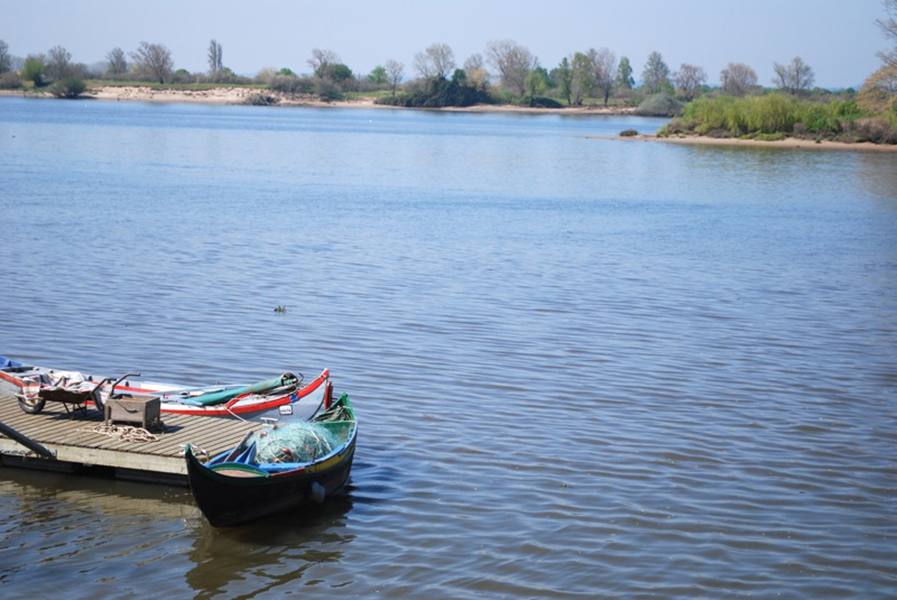
One of the most distinctive features of these villages is the unique architectural style of their houses. The homes are often built on stilts, similar to the Cais Palafiticos, to safeguard against the river’s tides and seasonal flooding. These wooden stilt houses, frequently painted in bright, eye-catching colors, create a stunning contrast against the serene waters of the Tejo. As you wander through these villages, you’ll be greeted by the sight of colorful reflections dancing on the river’s surface—a perfect opportunity to capture some truly breathtaking photos.
Experience the Avieiro Way of Life

Visiting Aldeias Avieiras provides an authentic experience of the traditional lifestyle of Portugal’s fishing communities. You’ll witness the Avieiros’ time-honored fishing techniques, which involve using handcrafted boats and traditional nets passed down through generations. The villages are living museums of Portuguese maritime culture, where you can discover local customs and immerse yourself in the community’s unique traditions.

Many of these villages have small museums or exhibitions dedicated to the Avieiro people, offering insights into their history, customs, and the challenges they faced in settling in new territories. These exhibitions are a wonderful way to connect with the stories of the past and understand the evolution of these resilient communities.

A Photographic Paradise

For photography enthusiasts, Aldeias Avieiras are a visual delight. The combination of rustic wooden houses, vibrant colors, and the ever-changing light over the Tejo River creates endless opportunities for stunning photos. Whether it’s the reflection of a bright red house in the still water or the golden hues of the sunset casting a magical glow over the village, every angle offers a picture-perfect moment.

Planning Your Visit

Exploring these traditional fishing villages is like stepping back in time, offering a peaceful retreat from the hustle and bustle of modern life. A visit to the Aldeias Avieiras is more than just a trip; it’s an experience that allows you to appreciate a simpler, slower way of living, deeply connected to the river and nature.

For more detailed information and to plan your visit, you can explore the following links (Google Translate can be a helpful tool for non-Portuguese speakers):

So, get ready to immerse yourself in the enchanting world of Aldeias Avieiras—an essential destination for anyone looking to discover the hidden cultural gems of Portugal. With its rich heritage and stunning natural beauty, it’s an adventure you won’t forget!

#Lisbon #Useful_Tips #Portugal_Unplugged


If you want this as a day out
I run private and small-group days in 100% electric vehicles. Related option:

Weekly market & traditions day – check dates on the site.
Discovering Dinosaurs in Portugal: A Family Adventure

If your kids are fascinated by dinosaurs, Portugal is the perfect destination for a family vacation! This country is a treasure trove of prehistoric wonders, offering a range of attractions and activities that will captivate young explorers and curious minds. With its rich history of dinosaur discoveries, Portugal invites you to step back in time and walk in the footsteps of these ancient giants.

Lourinhanosaurus antunesi: Portugal’s Famous Carnivorous Dinosaur

Portugal has a special place in the world of dinosaur research. In 1982, the Lourinhanosaurus antunesi, a formidable carnivore from the Late Jurassic era, was first discovered in the region of Peralta, Lourinhã. This remarkable find put Portugal on the paleontological map, and the Lourinhã region has since become known as a hotspot for dinosaur enthusiasts.

The area is especially famous for the discovery of dinosaur eggs—including a nest with over 200 eggs—offering fascinating insights into the lives of these prehistoric creatures. The region also boasts scenic trekking paths, some along the coastline, where you can encounter dinosaur footprints embedded in the bedrock. It’s a thrilling opportunity to literally follow the trails of the dinosaurs!

A Major Discovery in Pombal

Just a bit north of Lourinhã lies another exciting site for dinosaur lovers: Pombal. This region is home to an ongoing excavation that has been unearthing the remains of a Brachiosaurus, a colossal dinosaur that may be the largest ever found in Europe. The dig is a testament to Portugal’s rich prehistoric past and continues to yield new discoveries that excite scientists and visitors alike.

Top Dinosaur Attractions in Portugal

To make the most of your dinosaur-themed adventure, be sure to explore these key attractions and locations:

1. Dino Parque Lourinhã

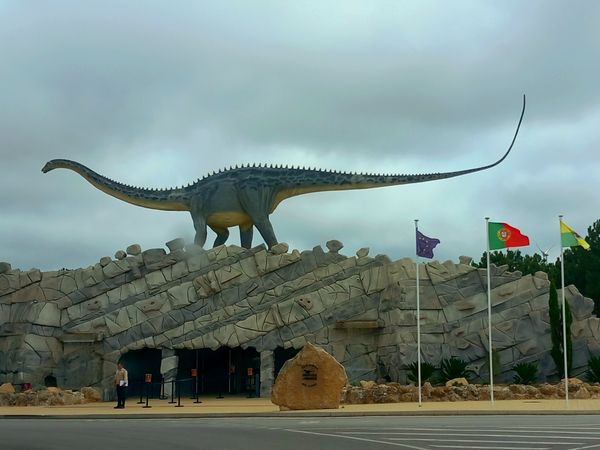
Located in the heart of the Lourinhã region, Dino Parque is the ultimate destination for families with dinosaur fans. It’s an outdoor museum and park where you can stroll among life-sized dinosaur replicas and learn about the many species that once roamed Portugal. Kids will love the interactive exhibits, and there are plenty of educational displays for curious adults as well.
Learn more: Dino Park Lourinhã

2. Lourinhã Museum

For a deeper dive into the region’s prehistoric finds, the Lourinhã Museum is a must-visit. It houses a collection of fossils, including those of the Lourinhanosaurus, as well as impressive dinosaur eggs and bones. The museum provides a fascinating look at Portugal’s dinosaur heritage and is a great way to spend a family-friendly afternoon.
Learn more: Lourinhã Museum

3. Dinosaur Footprints in the Wild

Portugal offers several locations where you can see real dinosaur footprints in the rock—an amazing outdoor experience for kids and adults alike. These sites allow you to witness traces left behind millions of years ago, bringing history to life in a unique and tangible way.
Here are some top spots for discovering footprints:

  • Praia Grande
  • Sesimbra
  • Serra da Boavista
  • Vale de Meios
  • Ourém/Torres Novas

4. Visit the Brachiosaurus Dig Site in Pombal

For an up-close look at paleontology in action, consider visiting the dig site in Pombal. It’s a unique opportunity to see archaeologists at work as they uncover the massive Brachiosaurus—a giant herbivore that roamed Europe during the Jurassic period. If you’re lucky, you might catch a glimpse of new discoveries being brought to light!
Watch the dig in action: Brachiosaurus Dig in Pombal

Plan Your Family Adventure in Dinosaur Territory

Portugal’s dinosaur attractions offer a perfect blend of education and excitement, making them ideal for a family vacation. Whether you’re exploring ancient footprints, visiting interactive museums, or hiking along scenic coastal paths with prehistoric history underfoot, the country provides a memorable adventure for kids and parents alike.

So pack your bags, grab your explorer’s hat, and get ready to uncover the ancient secrets of Portugal’s dinosaur past. It’s a journey that will surely ignite the imaginations of young dinosaur enthusiasts and leave them with stories to share for years to come!

#Lisbon #Useful_Tips #Portugal_Unplugged


If you want this as a day out
I run private and small-group days in 100% electric vehicles. Related option:

Custom private day – ask if you want this on a tour – check dates on the site.

Festas do Povo: A Celebration of Tradition and Community in Campo Maior

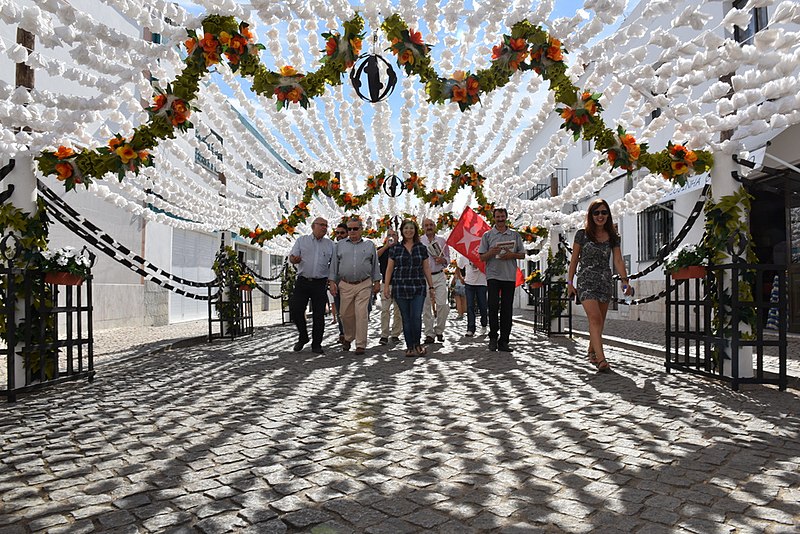
The Festas do Povo of Campo Maior, a small town in Portugal’s Alentejo region, is a stunning celebration of color, community, and culture. On December 15, 2021, this beloved tradition was recognized as Intangible Cultural Heritage of Humanity by UNESCO, a testament to the significance of this festival not just in Portugal but globally.

These festivities are unique in that they do not follow a strict schedule—they occur when the people of Campo Maior decide it’s time for the celebration. The most recent Festas do Povo took place in 2015, marking a long-awaited return to the vibrant event that brings this small town to life.

A Blossoming Tradition

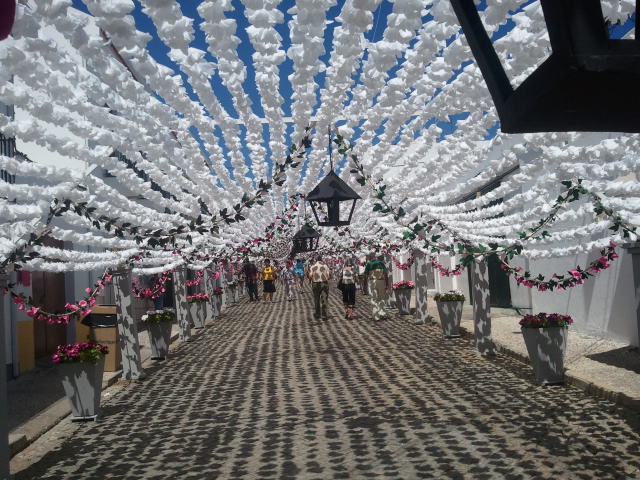
The heart of the Festas do Povo is the decoration of the streets with thousands of handmade paper flowers. The residents of each street, particularly in the Historic Center of Campo Maior, create stunning displays of flowers, arches, and other decorations out of paper and cardboard, transforming the town into a breathtaking garden. These decorations are not the work of a few days; they represent months of dedication, hard work, and community effort. It’s a tradition of collective artistry, a display of the town’s spirit, and a moment where the entire community unites to create something extraordinary.

A Labor of Love

The preparations for Festas do Povo begin as early as January. A “street leader” is chosen to coordinate each neighborhood’s efforts, setting the stage for a year of planning and creation. The colors are chosen, designs are sketched, and the meticulous process of crafting the flowers begins. Neighbors gather in each other’s homes, cutting, folding, and gluing paper late into the night. In these gatherings, flowers bloom from paper, trees take shape, and vibrant decorations are created—each one a unique piece, no two exactly the same. The atmosphere is one of camaraderie, filled with lively conversations and shared moments, where even children join in the magic.

A Feast for the Senses

When the day of the festival arrives, usually in September, Campo Maior transforms. The town’s streets are filled with thousands upon thousands of flowers—roses, tulips, wisterias, and poppies—every blossom crafted by hand. It’s a sight that words can hardly capture, a feast for the senses that must be experienced in person. The decorations are accompanied by the sound of traditional “saias,” folk songs that echo through the streets, played with tambourines and castanets, creating a joyful rhythm that energizes the crowd. These lively songs are sung and danced to by the locals, adding to the atmosphere of celebration and community pride.

Warmth and Hospitality

Beyond the beautiful decorations, Festas do Povo is a celebration of hospitality and warmth. Visitors are welcomed with open arms—refreshing glasses of cool Alentejo water are offered, and benches are set up outside homes for weary travelers to rest. In this festival, strangers become friends, and the warmth of the local people is as much a part of the experience as the colorful paper flowers. A symbolic gesture of friendship often involves women pinning a handmade flower on visitors’ lapels, a small token of the community’s affection.

A Festival of the People, by the People

The name “Festas do Povo” (Festivities of the People) reflects the very essence of this celebration—it is a festival driven by the people of Campo Maior. Each resident contributes, sacrificing their time and energy to bring the town to life. The preparation process is as significant as the event itself, with each flower and decoration representing countless hours of effort. It’s a labor of love that showcases the town’s creativity, unity, and dedication.

A Garden of Magic

The transformation of Campo Maior during Festas do Povo is nothing short of magical. Overnight, the town becomes a garden of color, with streets covered in vibrant paper flowers that captivate the eye. It’s a time of joy, wonder, and enchantment, where tradition and creativity come together in an unforgettable display.

A Rare and Timeless Experience

The Festas do Povo is a celebration that cannot be easily described or fully appreciated without experiencing it firsthand. It is a fleeting event, appearing almost like a mirage in the heat of Alentejo, only to disappear until the people of Campo Maior decide to bring it back again. This sense of impermanence adds to the magic of the festival, making each occurrence a unique and rare spectacle.

For those lucky enough to visit during the Festas do Povo, it’s an opportunity to witness a living tradition that has been passed down through generations. It’s a celebration that connects the past and present, weaving together history, culture, and community spirit in a way that is profoundly Portuguese.

A Festival with a Heart and Soul

Ultimately, the Festas do Povo is about more than just beautiful decorations—it’s about the heart and soul of the people who create it. It’s a festival that celebrates creativity, perseverance, and the joy of coming together to make something extraordinary. It’s a testament to the spirit of Campo Maior, a small town that has gained international recognition for its dedication to preserving a unique and vibrant tradition.

If you ever find yourself in Portugal when Campo Maior’s streets bloom with paper flowers, make sure to visit—it’s an experience that will leave you enchanted and inspired, a reminder of the beauty that can come from community and shared passion.

#Lisbon #Useful_Tips #Portugal_Unplugged

Also useful
Rainy day in Lisbon
Private / custom days


If you want this as a day out
I run private and small-group days in 100% electric vehicles. Related option:

Private day from Lisbon – custom or browse tours – check dates on the site.

Portuguese Traditions: Folklore

Portugal’s cultural heritage is deeply rooted in its folklore, which reflects the unique traditions of each region. Exploring Portuguese folklore offers an authentic way to connect with the country’s diverse cultural tapestry.

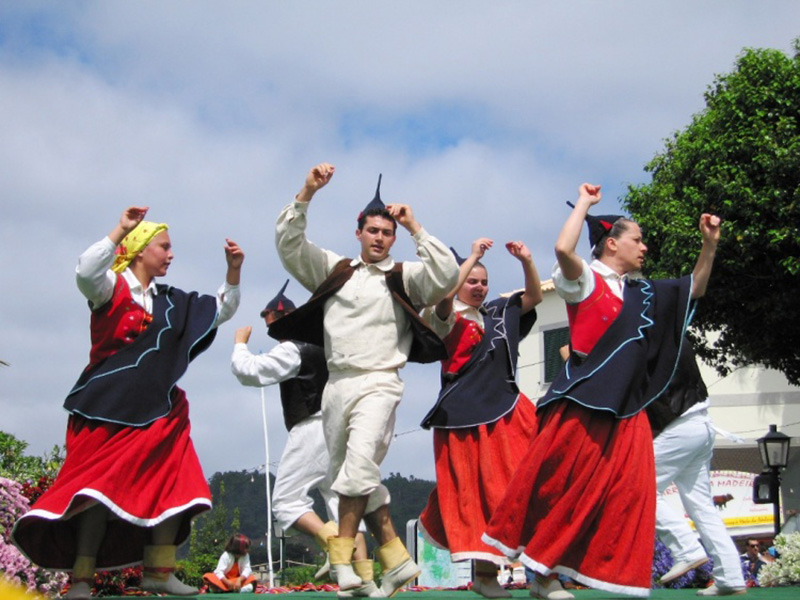
If you’re keen on experiencing this lively tradition, head to smaller towns and villages. Look for colorful posters on shop windows, cafés, and community centers advertising local festivities. These events are typically organized by Ranchos Folclóricos—dedicated groups that celebrate traditional Portuguese music, dance, and customs. Most performances and events take place during the summer months, and with a little effort, you’re bound to find one during your visit.

What Are Ranchos Folclóricos?

Ranchos Folclóricos are ensembles that perform traditional music and dances tied to Portugal’s cultural identity. The performances vary by region, with unique styles, stories, and costumes reflective of local customs. Traditional instruments such as the accordion, guitar, and tambourine accompany the dances, creating an atmosphere that transports spectators to a bygone era.

Regional Highlights of Portuguese Folklore

Algarve

The Corridinho is a signature dance of the Algarve. Known for its lively and joyful energy, this dance is performed in pairs, with intricate footwork set to music played on guitars, mandolins, and accordions. Though rooted in the Algarve, the Corridinho is also popular in Estremadura.

Madeira

Madeira’s folklore is marked by the Bailinho da Madeira, a traditional dance accompanied by the brinquinho, a regional instrument made from castanets, ribbons, and stick dolls dressed in local costumes. When shaken, the brinquinho produces a distinctive rhythmic sound, adding vibrancy to the performances.

Minho

The Minho region, especially Alto Minho, is rich in dances like Vira, Cana Verde, and Malhão. A striking feature of Minho folklore is the women’s colorful costumes adorned with elaborate accessories, which add elegance and beauty to the lively dances.

Ribatejo

Ribatejo’s standout dance is the Fandango, a playful and energetic courtship dance. The choreography often features men spinning around women or competing with one another in rhythmic foot-tapping. The Fandango exudes passion and enthusiasm, making it a crowd favorite.

Trás-os-Montes

The Pauliteiros de Miranda from Trás-os-Montes present a unique and striking dance-fight performance. Groups of men, dressed in traditional attire, wield sticks and engage in a rhythmic and symbolic combat. Women do not participate in these dances but are represented by the Capa de Honra, a traditional cloak symbolizing honor.


A Timeless Tradition
Portugal’s folklore offers a vibrant window into its history, culture, and regional identities. For travelers, attending a folklore event is an enriching way to connect with Portugal’s traditions. So, when visiting smaller towns, keep an eye on local posters—you might just stumble upon an unforgettable cultural experience!

#Useful_Tips #Portugal_Unplugged


If you want this as a day out
I run private and small-group days in 100% electric vehicles. Related option:

Weekly market & traditions day – check dates on the site.
Lisbon’s Hidden Gem: The Historical Portas de Benfica

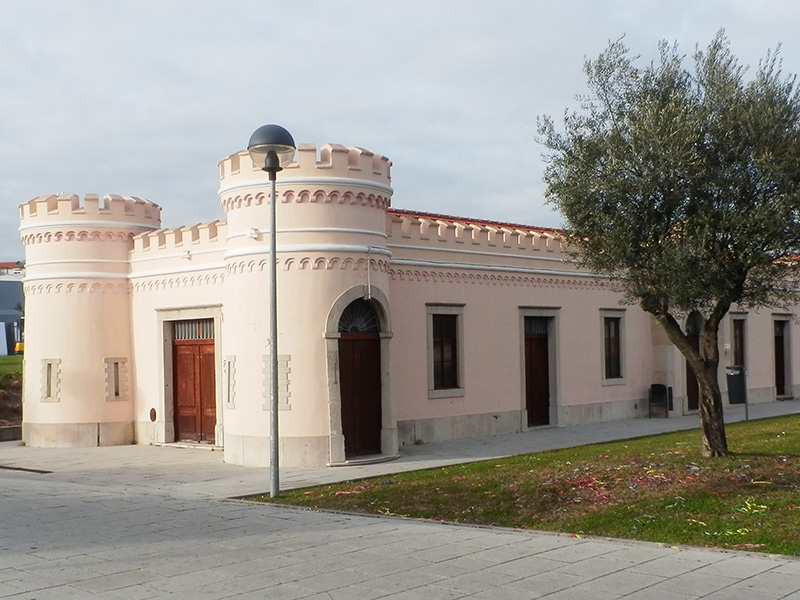
Nestled in the Benfica neighborhood, Portas de Benfica is more than just an architectural relic—it’s a gateway into Lisbon’s rich history. With its neo-Gothic charm and storied past, this unique landmark stands as a testament to a bygone era of urban customs, taxation, and trade.


A Neo-Gothic Gateway Inspired by Medieval Castles

Constructed in 1886 by an unknown architect, the Portas de Benfica showcase a neo-Gothic style complete with battlements reminiscent of medieval fortresses. Strategically located at the edge of the Lisbon municipality, the gate served as a striking symbol of entry into the capital. Its aesthetic grandeur helped establish it as an iconic landmark, marking the city’s boundary with distinction.


A Gateway of Taxation and Trade

The Portas de Benfica weren’t just ornamental; they played a crucial role in Lisbon’s fiscal operations during the late 19th and early 20th centuries. At this gateway, the Fiscal Guard monitored goods entering the city and collected taxes, known as “Real da Água” (or “Water Tax”), on various consumables, including alcoholic beverages.

This extraordinary tax, originally intended to fund the construction of aqueducts and fountains, ended up becoming a permanent levy, financing projects like the Águas Livres Aqueduct. The tax was particularly burdensome for alcohol, which led to frequent episodes of smuggling at Lisbon’s gates.

By the early 20th century, Lisbon had 26 such gates, all serving as checkpoints for people and goods. However, in 1922, the fiscal circumscription was abolished, marking the end of this taxing tradition.


Portas de Benfica: A Rare Survivor

While most of Lisbon’s gates have vanished over time, Portas de Benfica remains the only fully intact structure from this historic network. Restored in 1996 after falling into disrepair, the eight-turreted gate now stands proudly as a preserved piece of Lisbon’s history.

Fragments of similar gates, like the Portas de Algés, still exist, but many, including those at Calçada de Carriche, have been demolished. This makes the Portas de Benfica an even more significant heritage site, offering a glimpse into the city’s architectural and administrative past.


Why Visit Portas de Benfica?

Today, Portas de Benfica serves as a reminder of Lisbon’s evolution—from a city fortified by fiscal checkpoints to a bustling metropolis. Its picturesque design and historical importance make it a must-visit for history buffs and architecture enthusiasts alike.

Take a moment to marvel at its neo-Gothic battlements, explore its surrounding neighborhood, and imagine the bustling trade and vigilant tax collectors of centuries past.


Preserving Lisbon’s Legacy

Portas de Benfica is more than just a monument—it’s a portal into Lisbon’s rich tapestry of history, offering stories of commerce, culture, and resilience. As you explore this remarkable landmark, you’re stepping into a narrative that bridges the medieval and the modern, showcasing the enduring spirit of Lisbon.

Next time you’re in the Benfica area, don’t just pass by—take a closer look and appreciate the historical significance of this enduring gateway.

#Useful_Tips #Portugal_Unplugged


If you want this as a day out
I run private and small-group days in 100% electric vehicles. Related option:

Private day from Lisbon – custom or browse tours – check dates on the site.

Portuguese Traditions: Horses

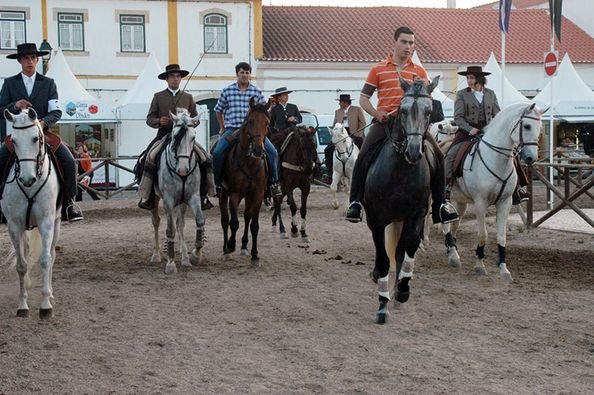
For horse lovers, Portugal offers a rich equestrian culture steeped in history and tradition. Central to this heritage is the magnificent Lusitano horse breed, renowned for its intelligence, agility, beauty, and docility. Once warhorses of the ancient Iberian Peninsula, Lusitanos are now cherished for their prowess in dressage and equestrian sports.

The Lusitano: A National Treasure

The Lusitano breed holds a special place in Portuguese culture. Known for their grace and versatility, these horses are a common sight in equestrian disciplines and cultural events. They symbolize Portugal’s deep-rooted connection to equestrianism, celebrated not only through breeding but also through events that showcase their elegance and skill.


Coudelaria Real de Alter

One of the most prestigious Lusitano horse breeding farms is the Coudelaria Real de Alter, located in Alter do Chão. Founded in 1748 by King João V, it is among the oldest active horse breeding establishments in the world.

What to Expect When Visiting:

  • Guided tours of the farm, where you can learn about the Lusitano breeding process.
  • Opportunities to observe the horses and riders in training.
  • A glimpse into the farm’s long-standing traditions and practices.
  • Annual highlights like the Feira de São Marcos, a horse fair showcasing the Lusitano breed’s versatility in various disciplines.

Other Native Horse Breeds

In addition to the Lusitano, Portugal is home to the Sorraia, another native horse breed. Known for their agility, endurance, and surefootedness, Sorraias excel at herding livestock and navigating rugged terrains.


Feira Nacional do Cavalo (National Horse Fair)

The Feira Nacional do Cavalo, held annually in November in Golegã, is Portugal’s largest equestrian event and a celebration of the Lusitano breed.

Event Highlights:

  • Displays of Lusitano horses from top breeders across the country.
  • Thrilling equestrian shows and competitions.
  • Conferences and workshops focused on horse care, training, and breeding.
  • Cultural and social events where attendees can enjoy traditional Portuguese hospitality.

Golegã transforms into a hub of equestrian excellence during the fair, drawing horse enthusiasts, breeders, and riders from around the world.


Experience Portugal’s Equestrian Heritage

Whether you tour historic breeding farms, marvel at the grace of Lusitanos at a horse fair, or learn about native breeds like the Sorraia, Portugal’s equestrian traditions offer something truly special. Next time you visit, immerse yourself in this vibrant aspect of Portuguese culture—you’ll be captivated by its beauty and history.

#Useful_Tips #Portugal_Unplugged


If you want this as a day out
I run private and small-group days in 100% electric vehicles. Related option:

Weekly market & traditions day – check dates on the site.